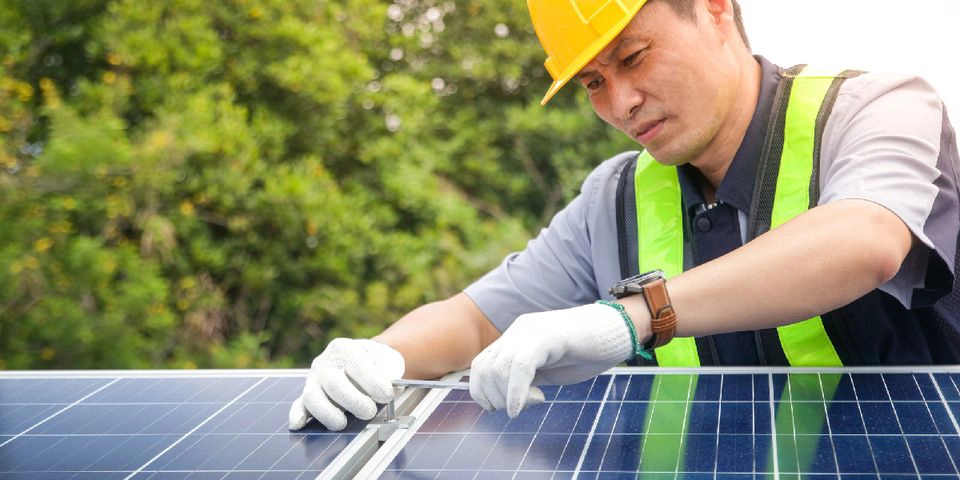
As solar energy becomes a more popular way to generate clean, renewable electricity, property owners have more options than ever for adding solar technology to their homes and businesses. Traditional solar panels remain one of the most recognizable choices, but solar shingles are gaining attention as an alternative that combines renewable energy generation with a more streamlined roof design.
While both solar panels and solar shingles use sunlight to produce electricity, they differ significantly in appearance, installation, efficiency, cost, and design. Our team at Holu Hou Energy is here to help you understand these differences and determine which solar roofing solution is the right fit for your property, energy goals, and architectural preferences.
For property owners in Hawaii, where abundant sunshine creates excellent opportunities for solar energy production, choosing the right system can be an important part of planning a long-term renewable energy strategy. Here is what you should know about solar panels vs. solar shingles before making a decision.
A Quick Overview
Solar Panels
Traditional solar panels are photovoltaic (PV) modules designed to capture sunlight and convert it into usable electricity. These panels are typically installed in groups, known as solar arrays, on rooftops or other areas with strong exposure to sunlight.
Solar panels are mounted above the existing roofing material using a racking system. This design gives installers flexibility when positioning the panels and allows the system to be angled for improved solar exposure. Depending on the property and roof configuration, panels can sometimes be oriented and tilted to capture more sunlight throughout the day.
One of the biggest advantages of traditional solar panels is their established technology. Solar photovoltaic systems have been used for decades, and continued improvements in solar manufacturing have helped increase efficiency while making solar power more accessible to property owners.
Solar Shingles
Solar shingles, also called PV shingles or solar roof shingles, provide another approach to generating renewable electricity. Rather than mounting separate solar panels above an existing roof, solar shingles are designed to function as both roofing material and solar technology.
Solar shingles are manufactured to resemble conventional roofing shingles, giving them a more integrated appearance. Their lower-profile design can make solar technology less visually prominent, which may appeal to homeowners who want renewable energy without the appearance of a traditional rooftop solar array.
Because solar shingles are incorporated directly into the roofing system, they can provide a sleek alternative for properties where architectural appearance is a major consideration.
Solar Shingles vs. Solar Panels: Which Is Better?
There is no universal answer to whether solar shingles or solar panels are better. Each option has advantages, and the best choice depends on the property and the owner’s goals.
Solar panels may be the better option for property owners who prioritize:
- Proven PV technology
- High solar energy efficiency
- Greater product selection
- Flexible system placement
- A potentially lower solar installation cost
- The ability to add solar to an existing roof
Solar shingles may be a better fit for property owners who prioritize:
- A streamlined roof appearance
- Integrated solar technology
- A lower-profile design
- Combining roofing and solar installation
- Preserving the architectural appearance of a property
- Installing solar during new construction or a roof replacement
Ultimately, factors such as roof condition, available sunlight, energy consumption, budget, architectural preferences, and long-term plans should all be considered before selecting a solar system.
Consider Your Roof Before Choosing Solar Technology
The condition and design of your roof can play a major role in determining which solar solution makes sense. An existing roof that is relatively new and in good condition may be a strong candidate for traditional solar panels because the panels can be installed over the current roofing system.
If a roof is nearing the end of its useful life, however, it may make sense to evaluate roofing and solar needs together. Installing a new solar system on a roof that will soon require replacement could result in additional work later.
Roof orientation, pitch, available space, shading, and structural considerations can also affect solar energy production. A professional solar assessment can help identify the most effective way to use the available roof area.
Making the Right Choice for Your Property
Hawaii’s abundant sunshine makes solar energy an appealing option for homeowners and businesses looking to generate renewable electricity. Solar power can help properties take advantage of the sun’s energy while supporting broader efforts to reduce reliance on conventional electricity sources.
For Hawaii property owners, solar technology can be part of a larger strategy for improving energy independence, managing electricity costs, and reducing the environmental impact associated with traditional energy generation.
At Holu Hou Energy, we understand that every property has different energy needs. The right solar solution should account for your roof, electricity consumption, property design, and long-term goals rather than relying on a one-size-fits-all approach.
If you’re considering solar panels, solar shingles, or another renewable energy solution in Hawaii, contact our team today to explore your options. With the right solar strategy, you can turn Hawaii’s abundant sunshine into a valuable source of clean, renewable energy for your property!